
Curriculum
Sustainable Farming
Work and learning on the farm forms is a core piece of our curriculum. Participating in the cycle of the garden is a direct way in to broader concepts of sustainability, and Gappers learn to grow their own delicious food! Projects and skills depend on the timing of the season:
Harvesting delicious home-grown crops
Mulching, weeding, and preparing beds for winter
Starting seeds in the greenhouse
Regular care of laying hens, collecting eggs
Rotationally grazing sheep, cows, and goats on pasture
Building coops or fencing for animals


Nature Connection
We aim to foster a reciprocal connection to nature that enables us to be effective stewards of the Earth. Every skill, trip, and adventure is an opportunity for resilience-building, practical learning, and sharing experiences in the natural world:
Backpacking and canoeing expeditions
Survival skills: friction fire-making, shelter building, dutch oven cooking, knots, knife skills
Local ecology and natural history explorations
Wildcrafting mats and baskets
Wild edible and medicinal plants
Joining school program groups led by our youth program instructors and gaining an understanding of teaching in the out of doors
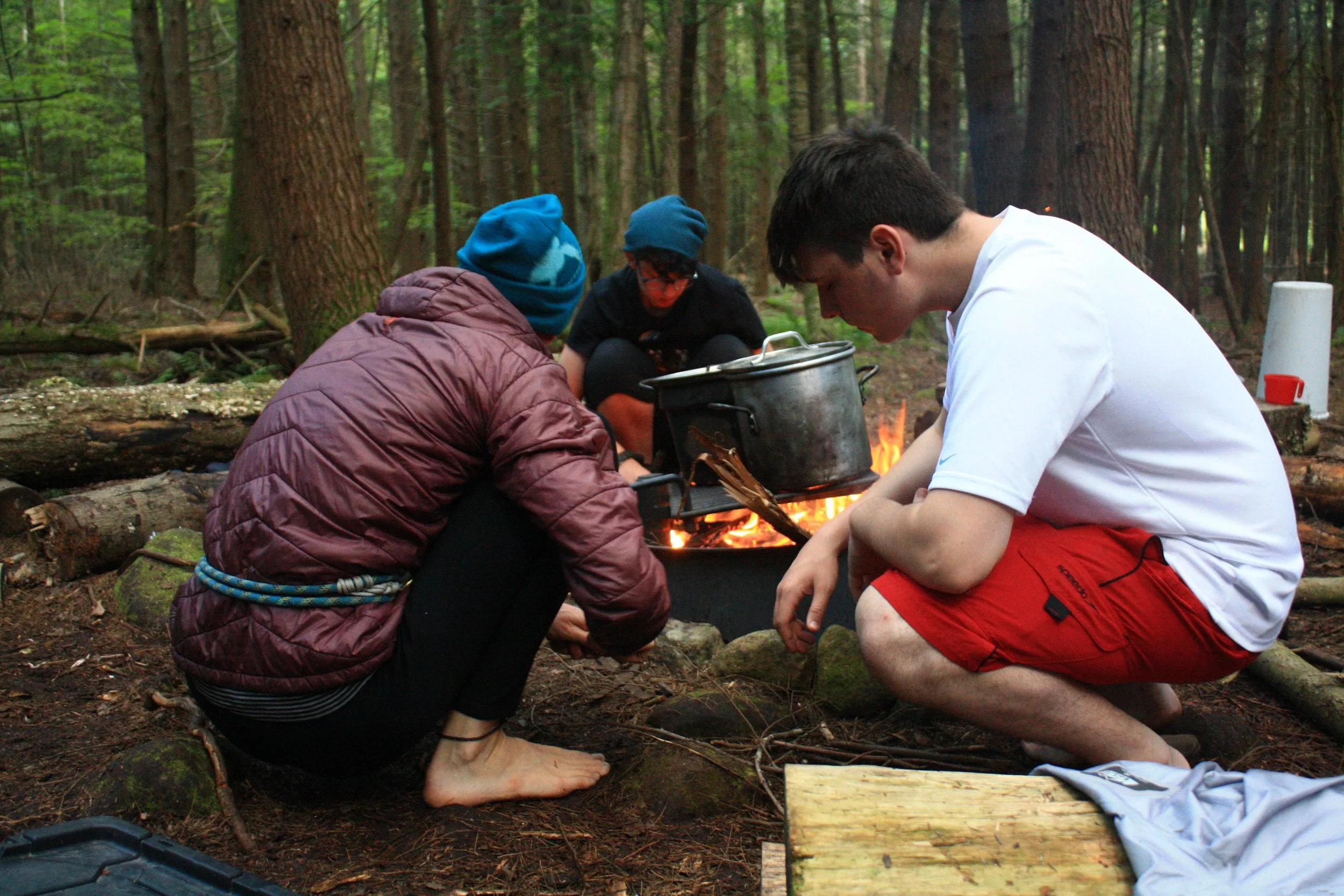


Highlight: Wilderness Trips
Trips are an opportunity to learn expedition leadership, push our physical boundaries, work together, summit mountains and paddle rivers, and immerse ourselves in the beauty of the regional wild landscape in New England. We’ll embark on four wilderness adventures, including hiking, canoe camping, backpacking and a 24-hour forest solo.
Homesteading Skills
By learning the skills to transform the abundance of the season into the things we need, Gappers experience the joy and satisfaction of creating with their hands. Sustainability is experienced through projects and creativity:
Fiber arts from Glen Brook wool
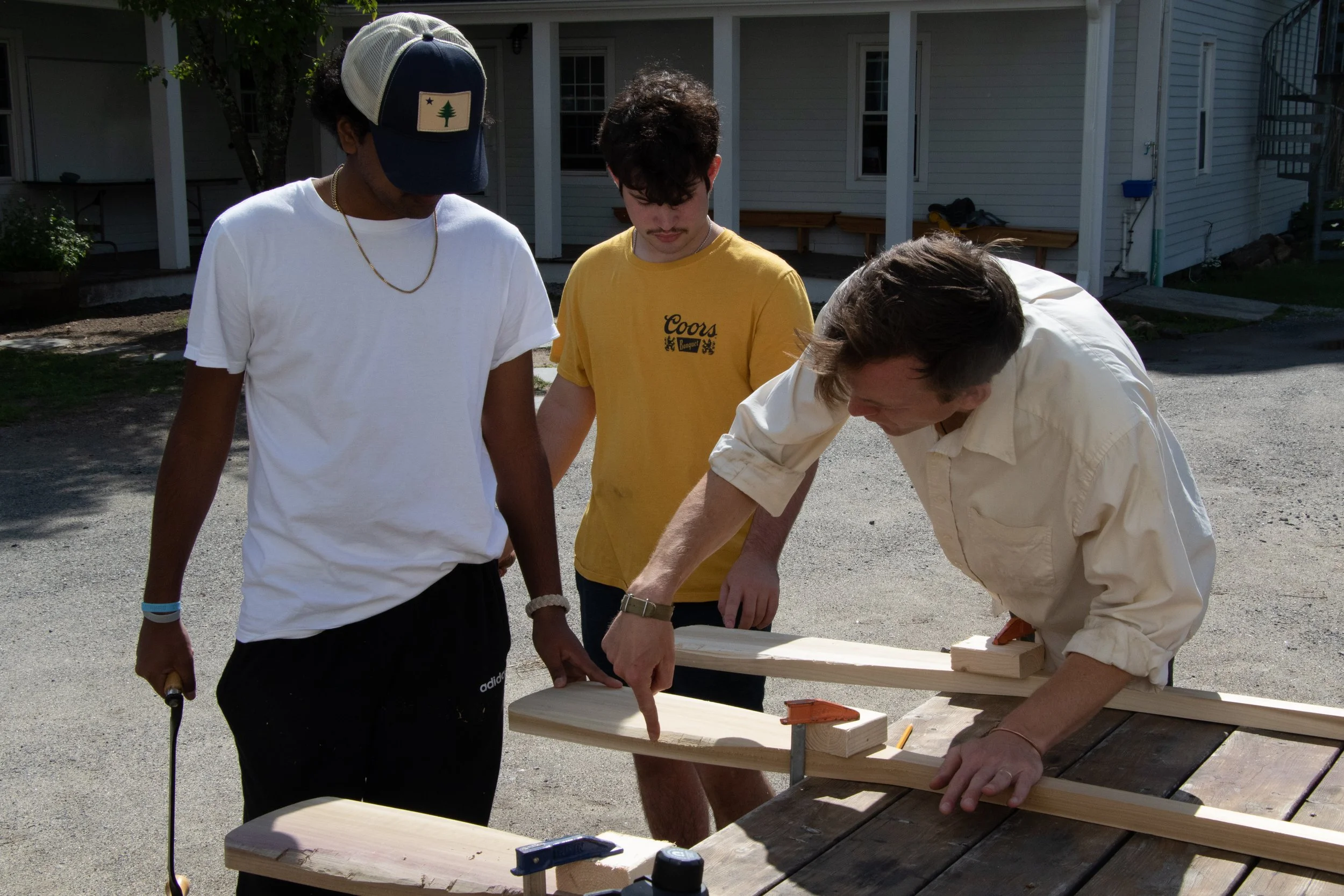
Carving canoe paddles using traditional hand tools
Crafting herbal remedies like teas and salves
Basic carpentry
Simple, nourishing, seasonal cooking from the farm
Food preservation: canning, drying, fermenting
Cider making from our fruit trees
Blacksmithing


Intentional Community
Being together can serve as the antidote to the isolation that is so common in our world, and help Gappers learn about their own gifts and challenges. Living and working together is a skill! Here are the elements of our community:
Planning and cooking meals for one another
Weekly community process meetings and individual check-ins
Sharing chores, cleaning, and house upkeep
Communication tools
Problem-solving skills
Self-governance strategies


Self-Inquiry
We balance active inquiry–through readings and discussions, and experiential activities–with restorative practices of mindfulness, solo time in nature, and rest and self-care, in order to create a holistic environment for us to engage with the important work of exploring who we are.
Regular Sit Spot practice at a special place in nature
Weekly journaling time
Meditation and mindfulness
Weekly readings
24 hour Solo in the forest as a culminating experience


Week-by-Week
Sample schedule for the Gap Semester
-
A week of relationship building to the cohort, the land and our purpose. Gappers settle into daily routines of farm and house chores, shared cooking, and daily mindfulness. We’ll create community agreements, learn tool safety, and get to know the natural history of the land at Glen Brook. Orientation week culminates with a short overnight backpacking trip to test out gear and learn introductory skills.
-
Two weeks of digging deeper on the farm and in the kitchen. Gappers rotate between farm projects in the morning and culinary skills in the afternoon. Farm mornings include an introduction to animal care; learning how to harvest, weed, and prepare beds; and exploring soil science. We’ll do basic culinary skills like knife use, bread baking, all the ways to cook an egg, and food safety. We’ll also spend a day assisting with the chicken harvest. Gappers can choose if they would like to participate in ethical animal slaughtering and/or learning the art of butchery.
-
Every Gapper will take on a leadership role for this trip, from planning and packing food to tending the fire each night. We’ll spend four days out on the water, paddling down the Connecticut River as we explore natural and human history of the valley along the way.
-
Two weeks of learning by doing, focusing on Farm, Kitchen, Stewardship, or Outdoor Education. Apprenticeships are led by Glen Brook’s skilled year-round staff: our farm manager, head chef, facilities manager, and outdoor educators. Gappers can choose which track they want to dig deeper into. During one of the two weeks, there is an opportunity to interact with the children on-site, helping them with outdoor skills, fire cooking, and garden harvesting.
-
Four days on the trail at the prettiest time of year in New England, putting expedition skills to the test and carrying everything we need on our backs. This trip is a chance for Gappers to practice outdoor leadership skills, including Leave No Trace, navigation, group dynamics, trail cooking, and wilderness skills.
-
Two weeks of chose-your-own intensives focusing on sustainable living skills. Forestry, fiber arts, herbal medicine, blacksmithing, carpentry, woodworking, wildcrafting…
-
With the end of the semester drawing near, Gappers will spend time preparing for the 24 hour solo experience in week 11 by selecting their own special site at Glen Brook, considering how they will craft a shelter, manage their food needs, and identifying their goals for their solo. This week also includes a base camp mountain trip to explore the changes and beauty in the natural world as fall is coming to an end.
-
The Gap experience ends with a week of celebrating connection with this place, other people, and earth skills. The 24-hour solo gives Gappers the opportunity to utilize skills learned during the semester, connect deeply with their inner knowing, and live closely to nature. After the solo Gappers will prepare a feast of appreciation to celebrate each other and the staff and residents of camp. Finally, the semester will be brought full circle with reflections on “taking Glen Brook home”.